Roof Lanterns: Modern Glazed Roof Structures for Commercial Buildings
Uncover the Beauty of Up-to-Date Roof Lanterns: Design Trends for 2026
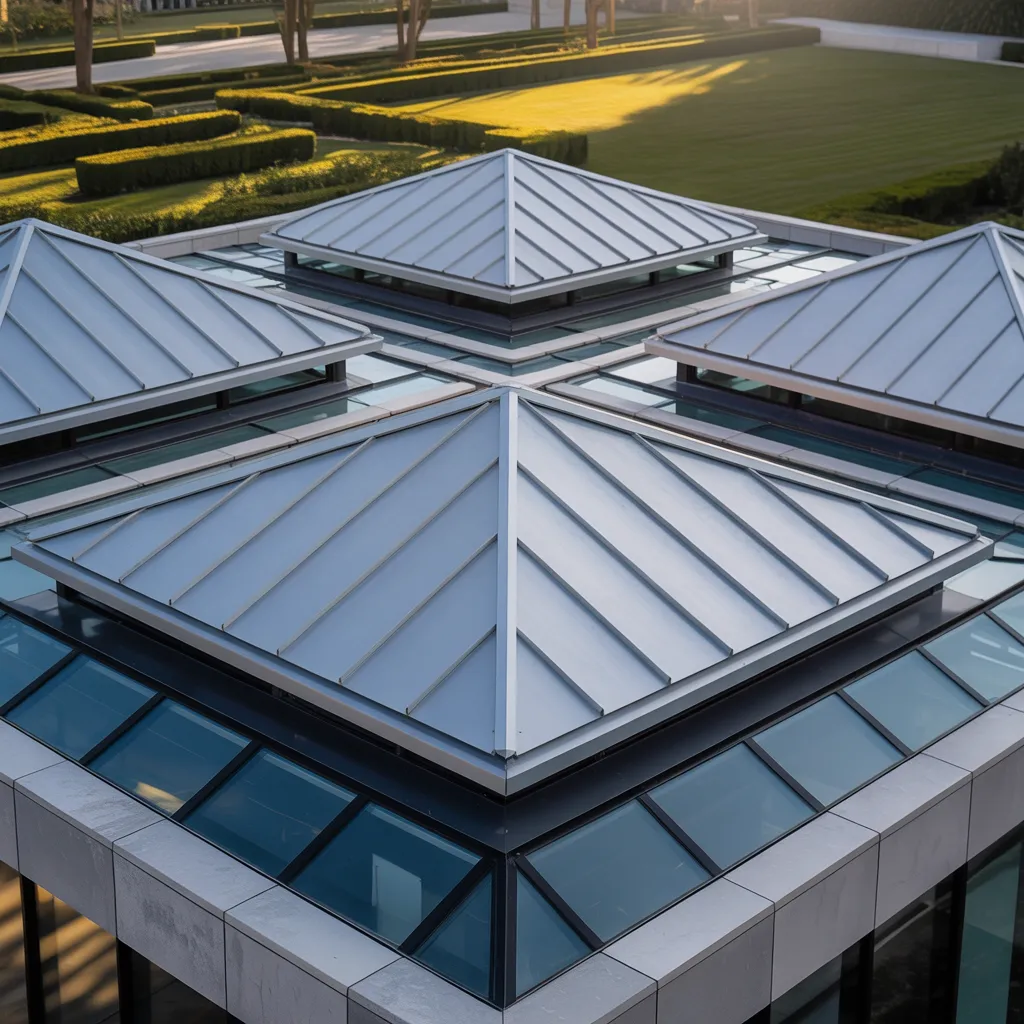
In 2026, modern skylight systems are reimagining architectural visions. Their polished geometric silhouettes and flexible customization options deliver both usefulness and visual charm, captivating current design trends. Green components have become standard practice, stressing green responsibility merged with refinement. State-of-the-art glass systems amplify sunlight entry while guaranteeing climate control. When these components unite, they establish pleasant domestic spaces that showcase an allegiance to environmental care and artistic beauty. What makes these lanterns indispensable to current living spaces?
The Benefits of Installing a Modern-Day Roof Lantern
A modern roof lantern serves as a impressive architectural feature that enhances both visual appeal and functionality. By permitting natural light to flood into a space, it greatly enhances the ambiance of interiors, producing a bright and welcoming environment. This influx of natural light can reduce the reliance on artificial lighting, thus promoting energy efficiency and possibly lowering electricity bills.
Moreover, roof lanterns can aid in regulating interior climate, permitting improved ventilation and circulation. This could contribute to a more pleasant residential space year-round. Their adaptable designs can suit varied design preferences, making them perfect for both contemporary and traditional homes.
Furthermore, a roof lantern can offer a unique focal point, capturing focus and enhancing the visual appeal to any room. Overall, the installation of a modern roof lantern not only enhances the visual beauty of a home but also improves its practicality and energy efficiency, making it a worthwhile investment.
Trending Roof Lantern Materials in 2026
In 2026, the choice of materials for modern roof lanterns demonstrates a blend of advancement and sustainability. Architects and designers more and more prefer environmentally conscious alternatives, such as recycled aluminum and responsibly harvested timber. These substances not only minimize ecological footprint but also offer a contemporary appearance.
Glass remains a popular choice, with advancements in efficient glass technology enabling better insulation and ultraviolet protection. This enables homeowners to enjoy natural light while minimizing energy consumption.
In addition, blended composites are becoming mainstream, integrating the durability of synthetic substances with the visual appeal of realistic finishes. This phenomenon handles both functional and stylistic considerations, maintaining longevity without detracting from style.
Ultimately, the materials chosen for roof lanterns in 2026 prioritize both functionality and design, producing attractive, eco-friendly options that enhance living spaces while satisfying modern ecological standards.
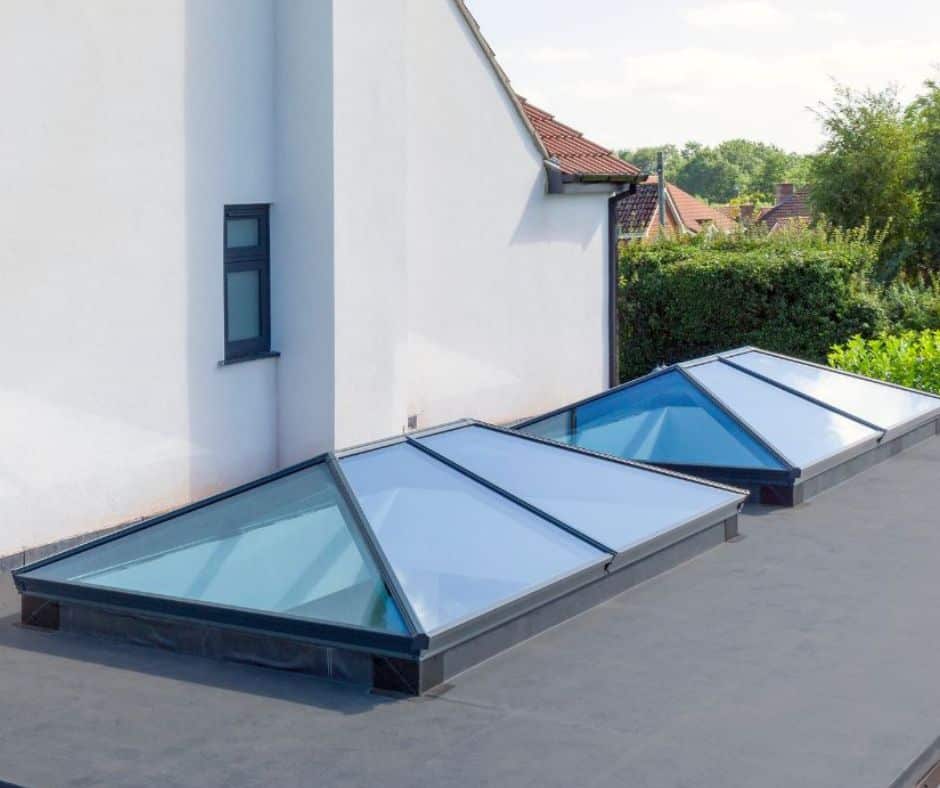
Outstanding Roof Lantern Types to Enhance Your Interior and Exterior
A variety of roof lantern styles offer a combination of contemporary and classic aesthetics that can greatly enhance both interiors and exteriors. Modern angular patterns provide a sleek, contemporary appearance, while traditional Victorian influences add a touch of sophistication and appeal. Examining these different options enables property owners to improve their spaces with distinctive architectural elements.
Current Geometric Designs
Contemporary geometric designs in roof lanterns present a striking blend of practicality and aesthetic appeal. These state-of-the-art structures often exhibit sharp lines, angular shapes, and minimalist frameworks that create a up-to-date look while amplifying natural light. By embedding materials such as glass and metal, designers provide a sleek, sophisticated finish that complements various architectural styles. The interplay of light and shadow through these geometric forms boosts both indoor and outdoor spaces, creating visually engaging environments. In addition, customizable options allow homeowners to select sizes and shapes that fit their specific needs, ensuring that each lantern serves as a unique focal point. Ultimately, contemporary geometric roof lanterns elevate spaces with their stylish designs and practical benefits.
Historic Victorian Motifs
While modern styles govern the marketplace, traditional Victorian influences in roof lanterns continue to enchant homeowners seeking to enhance their interiors and exteriors. Marked by intricate detailing, decorative frames, and refined glass design, these lanterns evoke a sense of enduring elegance. The use of wrought iron and stained glass is prevalent, showcasing the craftsmanship of the Victorian era. Homeowners appreciate how these designs create a striking focal point while enabling natural light to fill spaces. In both traditional and contemporary settings, Victorian-style lanterns seamlessly merge history with modernity, offering a distinctive look that complements diverse architectural styles. As the design landscape changes, the practical advice enduring appeal of traditional Victorian elements remains a significant trend in roof lantern choices.
Finding the Right Roof Lantern for Your Home?
When selecting the ideal roof lantern for a home, homeowners should evaluate both aesthetic appeal and functional benefits. The design should complement the design aesthetic of the residence, whether it be contemporary, traditional, or somewhere in between. Size is another vital consideration; the lantern should adequately suit the space to increase natural light without dominating the room.
Choosing materials, such as aluminum or wood, can likewise determine the overall appearance and longevity of the lantern. Homeowners should consider the type of glazing, as options like double or triple glazing can increase insulation and energy efficiency. Additionally, color and finish should complement with existing decor to establish a cohesive appearance.
Practical considerations, such as simplicity of upkeep and setup needs, are equally important. Ultimately, a carefully selected roof lantern can elevate a home's interior while providing lasting performance and aesthetics.
Eco-Friendly Roof Lantern Incorporation
Incorporating green practices into roof lantern design presents homeowners an chance to boost both visual aesthetics and environmental accountability. Present-day roof lanterns can be built from green materials such as reclaimed wood and recycled aluminum, lessening the carbon footprint associated with production. Furthermore, designers are increasingly focusing on sustainable glass solutions that boosts natural light while reducing heat loss, lowering energy bills.
Also, adding solar panels into roof lantern designs allows for harnessing renewable energy, additionally boosting sustainability. The adoption of low-VOC paints and finishes provides healthier indoor air quality, resonating with eco-conscious living.
The concentration on eco-conscious design not only improves the visual charm of a home but also reflects a rising trend towards sustainable lifestyle choices. As homeowners prioritize green practices, roof lanterns that demonstrate these ideals will emerge as both visually appealing and accountable options.
Hassle-free Maintenance Pointers for Your Roof Lantern
Diligent maintenance is vital for keeping the visual appeal and usefulness of roof lanterns. To achieve optimal performance, it is advised to clean the glass surfaces frequently using a gentle fabric and a mild cleaning solution. This prevents the buildup of dirt and grime that can obstruct natural light. Additionally, inspecting the seals and gaskets for wear or damage is crucial; changing them promptly can stop leaks and sustain energy efficiency.
Inspecting the frame and supporting structure for rust or corrosion will help maintain durability. If metal components show signs of deterioration, applying a sealant can extend their longevity. In addition, during seasonal transitions, it is wise to remove debris such as leaves or snow that may accumulate on the lantern.
Frequently Inquired Questions
What Cost Range Can You Expect for Modern Roof Lanterns in 2026?
In 2026, the typical prices of modern roof lanterns range from $1,500 to $5,000, shaped by elements such as size, materials, and architectural intricacy, demonstrating the shifting patterns in residential design and aesthetics.
How Do Roof Lanterns Modify Your Home's Power Effectiveness?
Roof lanterns enhance home energy performance by increasing natural light, reducing reliance on artificial lighting. Their design can enhance ventilation, allowing for better temperature regulation, ultimately contributing to lower energy consumption and more eco-friendly living spaces.
Can roof lanterns be installed on existing roofs?
Roof lanterns can be mounted on current roof structures, if structural integrity is evaluated. Correct installation validates alignment with your existing roof setup and increases sunlight while boosting aesthetic appeal and energy efficiency in the property.
What Is the Lifespan of a Contemporary Roof Lantern?
The standard life expectancy of a modern roof lantern ranges from 20 to 30 years, dependent on materials, maintenance, and exposure with environmental factors. Regular maintenance can enhance durability and performance over time.
Are Roof Lanterns fitting with All Types of Climates?
Roof lanterns may be suitable for diverse climates, provided that they are properly fitted and designed with care. Insulation, material selection, and proper drainage are essential to ensure lasting performance and functionality in scorching heat and cold climates.